The brewing popularity of Vietnamese coffee in the Philippines
Vietnamese coffee is the newest hit in urban areas across the Philippines, thanks to the young Filipinos who have brought the tasty Vietnamese specialty back to their homeland after working abroad.
“Vietnamese coffee has been around in the Philippines for some time, but it is just now gaining popularity,” Jen Sta. Ana told Tuoi Tre News.
“Vietnamese coffee is known in the Philippines for its strong and bold flavor, plus preparing and serving Vietnamese coffee are very esthetic.”
Aside from her job as a registered nurse, Sta. Ana, originally from Pasig City, shares her favorite restaurants, travel tips, and beauty secrets to over 11,000 followers on her Facebook page Sand Under My Feet.
A commitment to ‘authentic Vietnamese coffee’
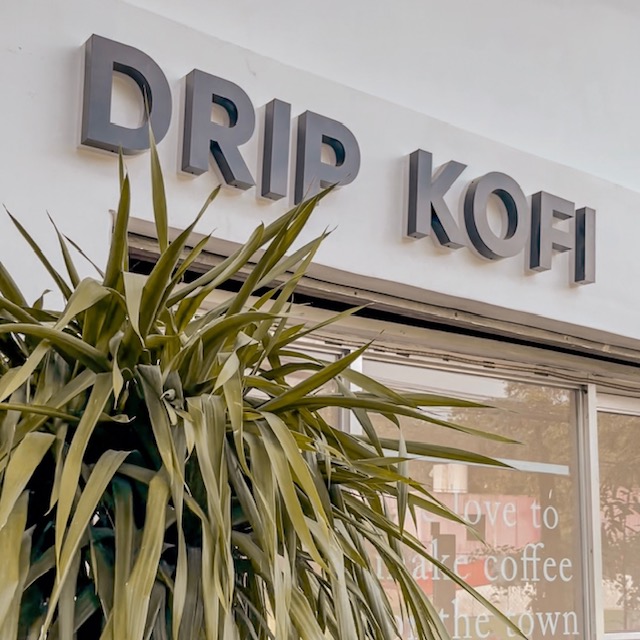
In October, Sta. Ana posted about Drip Kofi, a Philippine coffee brand which serves authentic Vietnamese coffee at its 18 branches across Luzon and Manila.
“A few weeks ago, I had lunch with two of my friends and after that, we stumbled upon this esthetic café serving strong and flavorful authentic Vietnamese coffee,” she wrote.
|
|
| A sign of Drip Kofi is seen in this supplied photo. |
Ca phe sua da (Vietnamese iced coffee with sweetened condensed milk) is among Drip Kofi’s best-sellers.
“We want to provide exceptional coffee experiences by delivering superior products and exceptional customer service,” Jizelle Bernardino, founder of Drip Kofi, explained.
“Drip Kofi envisions to be the industry’s leading provider of Vietnamese coffee by creating opportunities and a presence across the country, one bean, one phin [Vietnamese-style metal filter], at a time.”
Bernardino’s passion for Vietnamese coffee was sparked during a five-year stint she spent working in Ho Chi Minh City as a teacher.
“I would often send coffee to my family and friends in the Philippines [when I worked in Vietnam]. That was when I realized there was an opportunity to properly showcase Vietnamese coffee goodness to the Filipino community,” she said.
In 2018, after returning to the Philippines, Bernardino came back to her hometown and launched Drip Kofi, growing the brand from a small stall in a market in Tatay, Rizal Province to a massive chain approaching 20 locations in just a few years.
“We directly source our coffee from Vietnam and transform it into handcrafted beverages,” Bernardino explained, adding that her company spends VND100-150 million (US$4,266-6,399) on Vietnamese coffee beans each month.
Bernardino is not the only Filipina to have brought a love for Vietnamese coffee back to the Philippines.
Ly-An Luz Jalandoni, Rhoanne Belgira Beduria, and Chareese Angela Abat opened their own coffee brand specializing in Vietnamese coffee in Iloilo in September 2021.
Jalandoni and Beduria had spent several years working as primary-age teachers at an international school in Ho Chi Minh City.
Jalandoni’s cousin, Abat, visited them during that time and together they fell in love with Vietnamese coffee and culture.
Their brand, Saigon Brewers, spent its first months selling specialty Vietnamese coffee beans and ready-to-go cold brew online and at local pop-up events.
Beduria eventually left the Philippines to study in Canada, and Jalandoni and Abat decided to transform their business from an online retailer into a bricks-and-mortar coffee shop.
They attended coffee training workshops, met with coffee experts, and participated in the Iloilo Specialty Coffee Community Group and, by September 2022, they officially opened the doors to their new café.
“What drives us is the sincerity of our product and the uniqueness of how we brew our coffee with a phin. It gives us a result that has the true, authentic taste of Vietnamese coffee,” said Jalandoni.
“After trying our products, customers became regulars, then friends, and, eventually, family.”
|
|
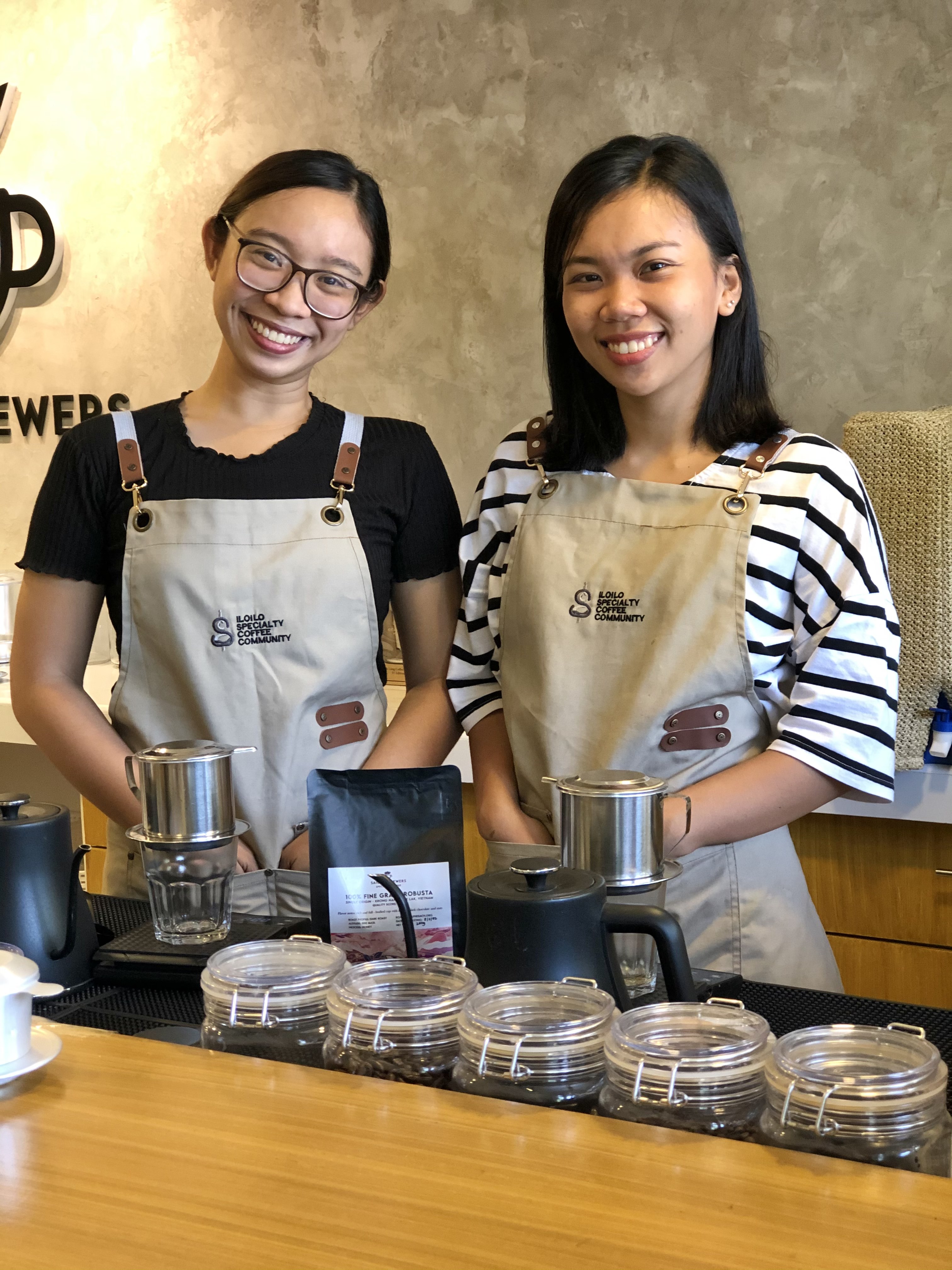
| Ly-An Luz Jalandoni (right) and Chareese Angela Abat pose while making Vietnamese coffee at Saigon Brewers in this supplied photo. |
Since it opened, Saigon Brewers has gained serious traction in the Iloilo coffee community.
“We became a go-to place for people who have to work or study double shifts. Our coffee is what keeps them going, especially since we offer something quite strong in comparison to the coffee offerings in other shops,” Jalandoni explained.
According to Jalandoni, about 90 percent of Saigon Brewers’ customers are Filipinos, five percent are Vietnamese, and the rest are from other countries around the world.
These customers specifically visit the café so that they can be transported to Vietnam with a cup of handmade phin coffee.
|
|
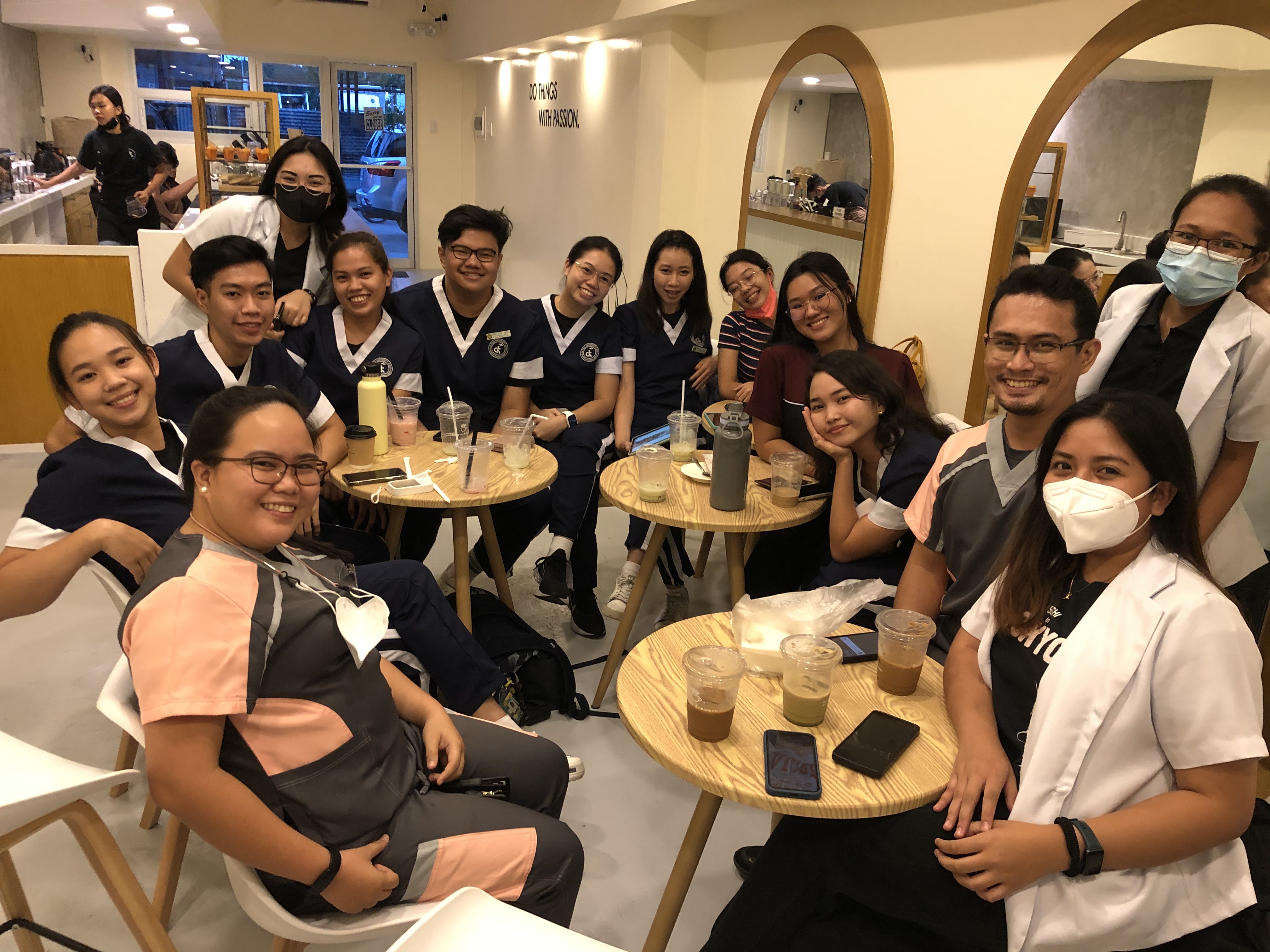
| Customers enjoy coffee at Saigon Brewers in this supplied photo. |
But customers who cannot make it to Saigon Brewers need not worry about getting their Vietnamese coffee fix.
According to Jalandoni, ca phe sua da is a popular drink on the menu at coffee shops across the Philippines, whether they use local beans for their espresso shots as their black coffee base (Americano plus condensed milk) or other manual brewing techniques such as pour-overs.
Marketability
Ponte Cafe in Pontevedra, Capiz Visayas specializes in selling coffee drinks from various countries but “our best-selling drink is Vietnamese coffee,” said Kisha Ann Uygen, 22, owner of Ponte Cafe.
“We wanted to include Vietnamese coffee in our menu because we believed in its marketability,” she added.
“It is cheap relative to local and imported espresso coffee beans of that caliber; it is easy to prepare with few equipment and ingredients, and when you add all that to a delicious coffee, it is clearly good for business.”
|
|
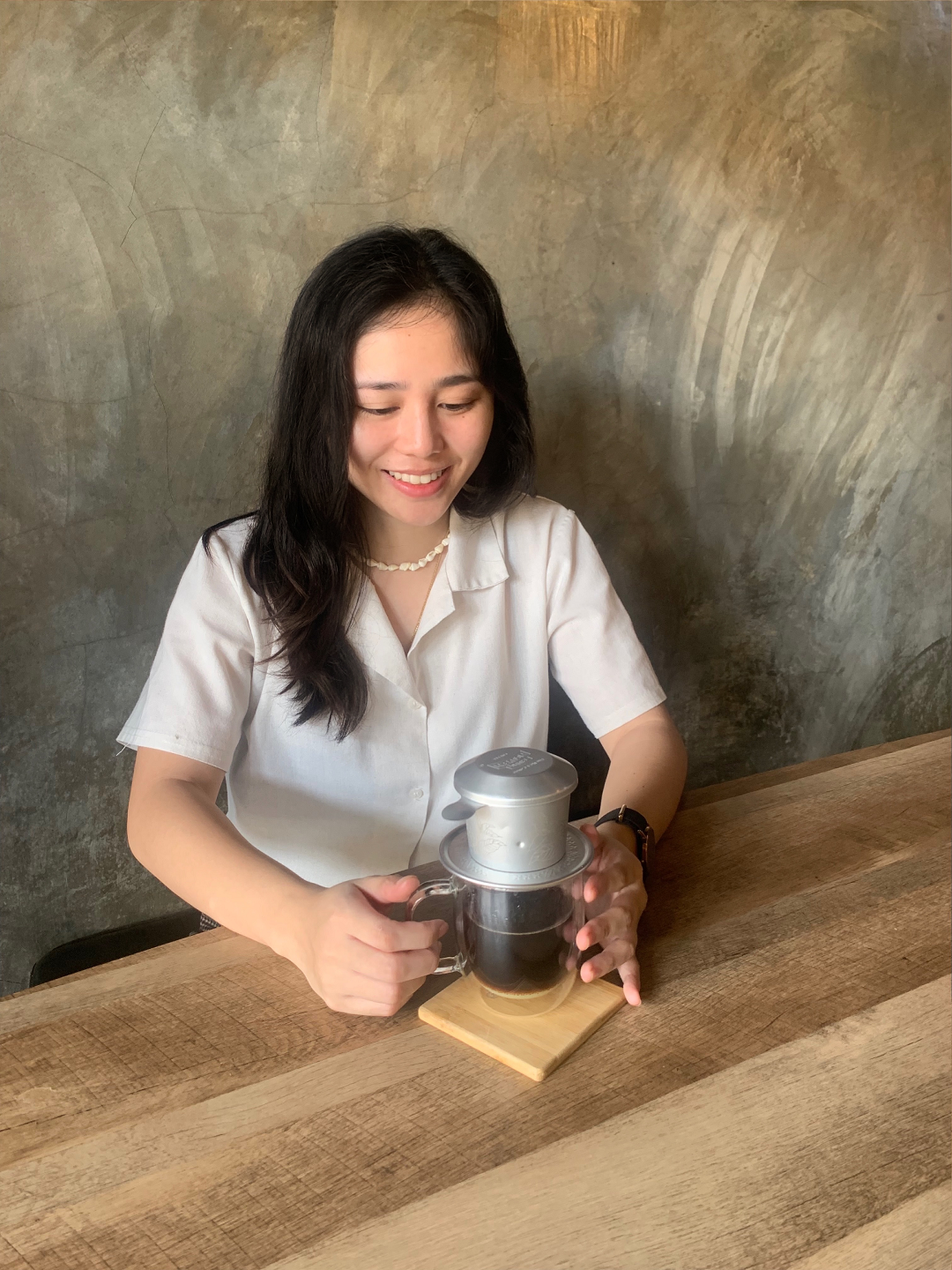
| Kisha Ann Uygen, owner of Ponte Cafe, brews Vietnamese coffee with a ‘phin’ filter in this supplied photo. |
According to Uygen, both young and older people alike visit her café to try the Vietnamese coffee.
The beans she uses are imported from Vietnam and each Vietnamese coffee drink is brewed with a phin filter “to get that authentic Vietnamese taste and experience.”
Meanwhile, according to Jackie Vuong, founder of the coffee brand caphesach.org, which supplies coffee to partners in the Philippines, the coffee market in the Philippines for Vietnamese coffee is very welcoming.
“Filipinos have a habit of eating sweets, so coffee with milk or condensed milk is favored,” Vuong said.
“Besides, there are many Call Centers in Manila that work at night, so their need for caffeine is also very large.”
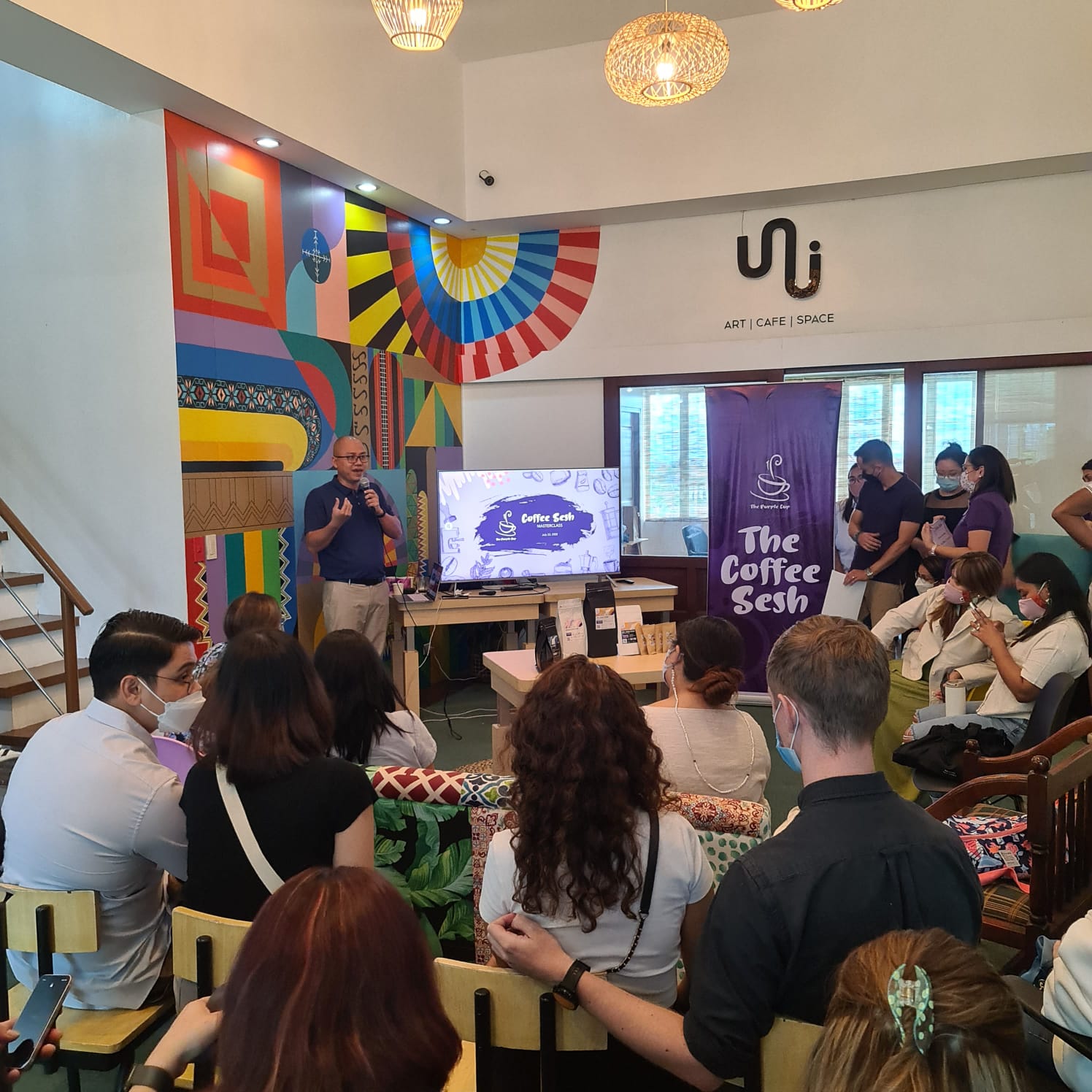
In July, Vuong organized a workshop on brewing coffee using a phin filter in Manila which attracted more than 40 people.
|
|
| Jackie Vuong (standing) introduces Vietnamese coffee at a workshop in Manila in July 2022 in this supplied photo. |
“Vietnamese coffee is now very well processed, creating a more unique flavor,” Vuong said.
“In addition to bitterness, Vietnamese robusta also has a sweet and slightly sour aftertaste, and contains fruity flavors such as orange, jackfruit, tangerine, and more, naturally without flavorings.
“The price of Vietnamese coffee is also an advantage, because it is not too high compared to other coffee exporting countries, but the quality and transportation are not inferior.”
A special coffee workshop
Vietnamese coffee culture has made an appearance not only in coffee shops in the Philippines but also in schools.
In September, the Ateneo Center for Asian Studies (ACAS) at Ateneo de Manila University organized a workshop to introduce Vietnamese coffee culture and the phin filter brewing method.
“The ground Vietnamese coffee beans are first placed in the filter and squeezed, and then positioned atop a cup or glass containing condensed milk (which serves as both creamer and sweetener). Hot water is then poured over the filters and the coffee drips into the cup,” ACAS captured the event on their Instagram account.
According to Violet B. Valdez, executive director of ACAS, the coffee lecture-demonstration was the idea of Thị Sen Huỳnh Kagahastian, a Vietnamese-language lecturer.
The program was meant for a small group, mainly Sen’s students who are in a special class for staff of the Philippine Navy, but some faculty members who are engaged in Asian studies and the dean of the School of Social Sciences, Dr. Saloma-Akpedonu, were also present.
“Most of those in the audience had heard about how special Vietnamese coffee is, especially, how strong it is, so they were really keen on learning why and also how to prepare coffee the Vietnamese way,” Valdez said.
Like us on Facebook or follow us on Twitter to get the latest news about Vietnam!
The post The brewing popularity of Vietnamese coffee in the Philippines appeared first on Vietexplorer.com.
View more from VietExplorer:
HCM City ranks among top 10 cheapest cities for foreignersDien Bien protecting forests associated with economic development
Hanoi hosts exhibition on Vietnam Festival of Creativity & Design 2020
Exhibition celebrates 1010th anniversary of Thang Long – Hanoi
Vietnam honoured as Asia’s heritage, cultural, culinary destination at WTA 2020
5 must-conquer places for captivating cloud hunting adventure in Da Lat
Hanoi’s countdown event for 31st SEA Games scheduled to take place next month
A young man’s passion to make Da Lat green again
Six-hundred-year-old sites attract tourists in Vietnam
Binh Lieu in reed season: A highly recommended destination for weekend trip
Vietnam International Travel Mart expected to boost national tourism
HCM City named among top ten cheapest places for American expats
Lost in the beauty of Pu Nhi Farm in Son La
Author Mr Dominic Price – banker and founder of Dominique Saint Paul
117 works awarded at ASEAN Graphic Arts Competition and Exhibition
Mountains for pilgrims
Hotpot from the delta
Female cyclist on trans-Vietnam route
An appealing mountainous commune
Festivals jubilantly celebrated nationwide to greet spring

Nhận xét
Đăng nhận xét