Green Building Design: A Necessary Step to Combat Climate Change in Hanoi
THE HANOI TIMES — Amid the devastating impacts of climate change, experts emphasize the imperative nature of investing in green architecture in Hanoi. This shift will not only mitigate the effects of climate change but also significantly enhance the city’s urban environment.
Vu Ngoc Truong, chief architect of HSD Mechanical Technology & Construction Building Joint Stock Company in Hanoi’s Bac Tu Liem District, sheds light on the myriad benefits of green architecture. “Green architecture reduces energy consumption, mitigates carbon emissions, conserves precious resources, and ultimately enhances the quality of life for residents,” he shares with The Hanoi Times. Truong elaborates on how green spaces and natural ventilation combat the urban heat island effect, improve overall livability, and contribute to a more sustainable urban landscape.
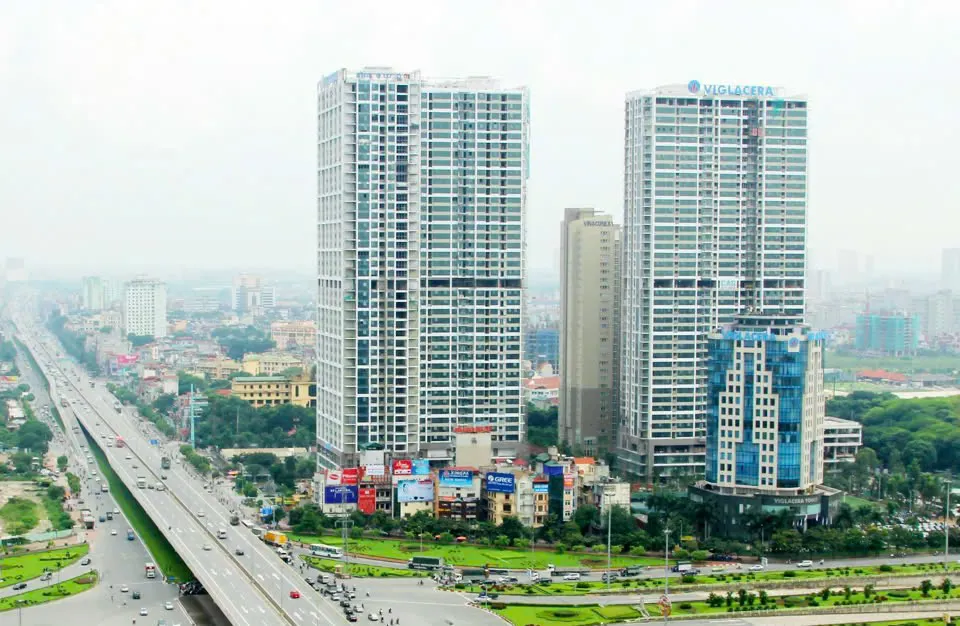
Thang Long Number One building in Hanoi’s Cau Giay District, Vietnam’s first recognized green architecture. Photo: Cong Hung/The Hanoi Times
The advantages of green architecture extend beyond energy efficiency. Green roofs, eco-friendly materials, and natural ventilation systems work in harmony to filter pollutants and promote healthy airflow. Landscaped areas and reflective materials on building surfaces also play a pivotal role in lowering temperatures, providing a much-needed respite from heat waves. Additionally, green architecture enhances indoor environments, making them more comfortable and healthier while adding to the aesthetic appeal of urban areas.

Vu Ngoc Truong, Chief Architect at HSD Mechanical Technology & Construction Building JSC. Photo: Anh Kiet/The Hanoi Times
According to Truong, the shift towards green architecture is not merely a trend but a necessary response to the global environmental crisis, including the loss of ecosystems, biodiversity, and the deteriorating quality of human habitats. He emphasizes the importance of optimizing energy and natural resource usage through the incorporation of environmentally friendly materials in building design.
A report by the Hanoi Department of Construction highlights a pressing issue: the per capita green area in Vietnamese cities is significantly lower than the UN minimum of 10 square meters and far from the 20-25 square meters standard in modern cities worldwide. This disparity has prompted urban experts to advocate for the promotion of safe and sustainable green architecture.
Unveiling Solutions for Green Buildings
Architect Hoang Thuc Hao, Vice President of the Vietnam Association of Architects, offers insights into the Ministry of Construction’s recent initiatives. The ministry has commissioned the Institute of Building Materials to undertake research projects and develop evaluation procedures for certifying green building materials.
As quoted by the Vietnam Government Portal, Hao underscores the importance of energy-saving practices during construction and the selection of building materials that do not compromise human health. Green architecture, he emphasizes, plays a pivotal role in fostering a more sustainable and resilient urban environment, benefiting both the ecosystem and the well-being of city dwellers.
Hao shares encouraging news about the Ministry of Construction’s ongoing efforts: “They are working diligently to provide comprehensive information and databases, streamline administrative procedures, and establish a legal framework that supports the development of green buildings.”
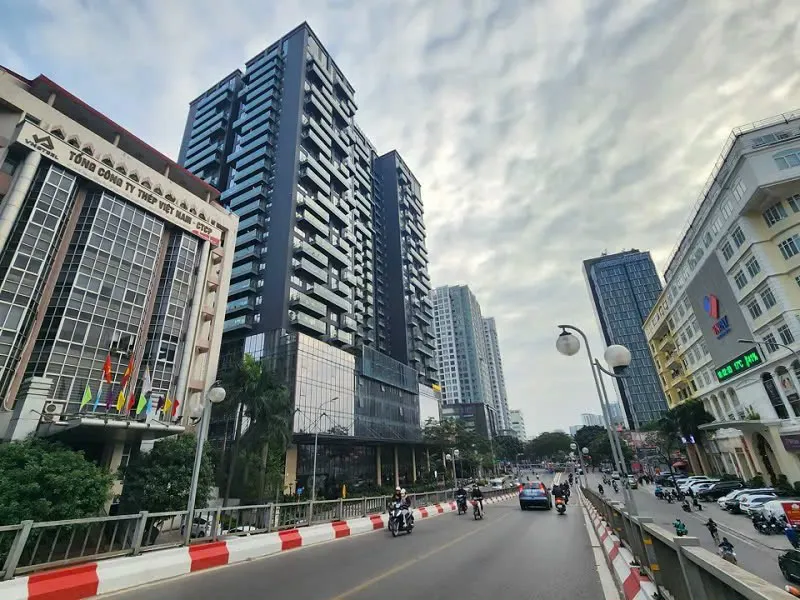
A building on Lang Ha Street in Hanoi, constructed with eco-friendly materials. Photo: Thanh Hai/The Hanoi Times
To turn these aspirations into reality, it is essential to address legal framework issues, establish clear standards and procedures for green building construction, create incentive mechanisms for investors, and enhance human resources in the field. Hanoi is currently crafting regulatory documents to implement the 2024 Capital Law, with a keen focus on green, smart, and sustainable urban policies that align with the city’s long-term development vision.
Hao highlights how the 2024 Capital Law forms the foundation for green architecture in Hanoi, promoting green development, enhancing environmental quality, and safeguarding biodiversity. This law guides building regulations and encourages the development of environmentally conscious urban areas, including the integration of green buildings.
According to Hao, Hanoi is committed to establishing standards and certification systems for green buildings, ensuring they meet stringent environmental requirements. These standards may encompass energy efficiency, water conservation, and minimizing the environmental footprint of construction projects.
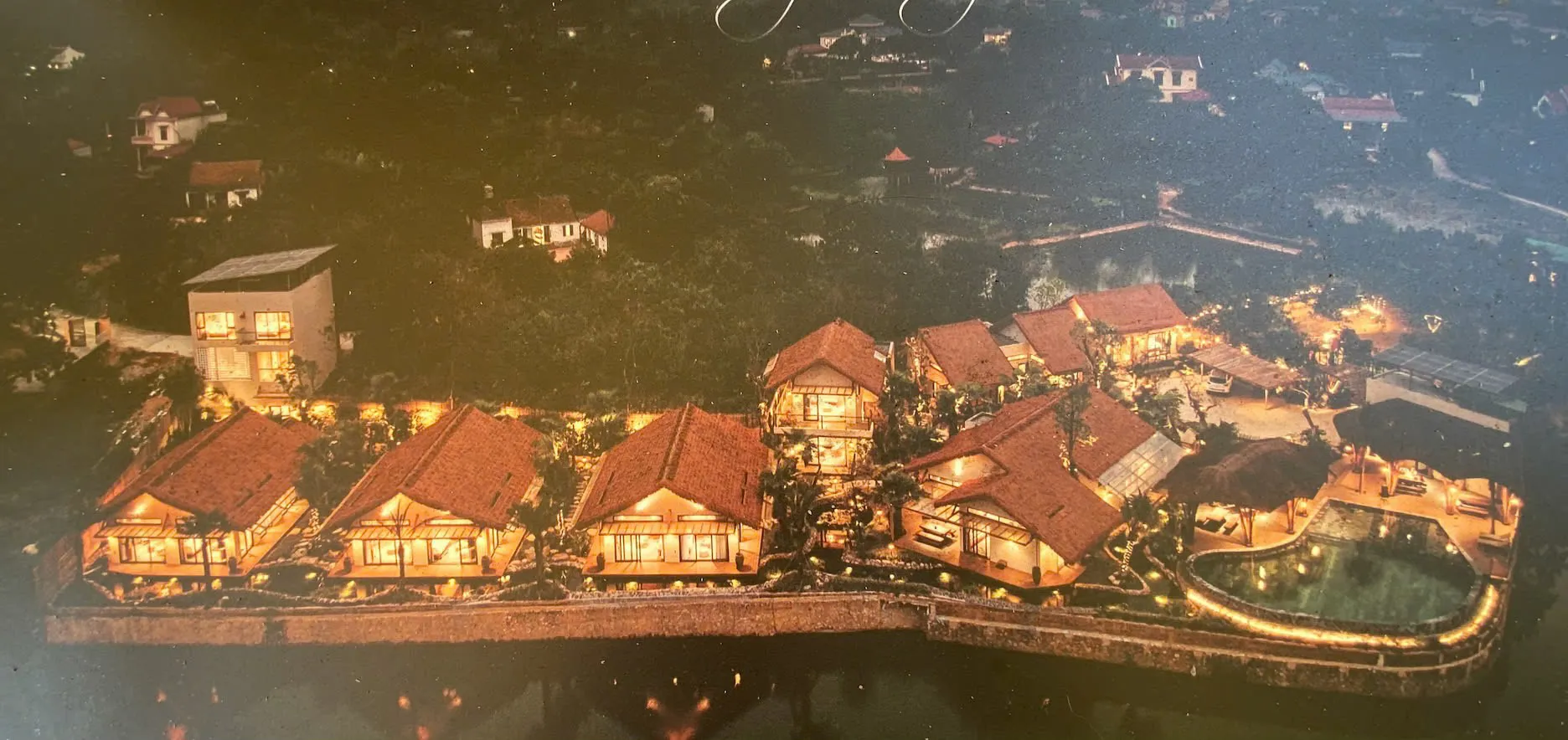
The Hill Stay Villa project in Hanoi’s Chuong My District showcases eco-friendly architecture using bamboo and sedge. Photo: Ngoc Truong
Harnessing Green Urban Development for Hanoi’s Future
The 2024 Capital Law, which came into effect on January 1, 2025, underscores the importance of developing a green, civilized, and modern city. It sets a specific target of achieving approximately 10-12 square meters of urban green space per person by 2030.
Dr. Nguyen Duy Hieu, Head of the Building Materials Department at Hanoi Architectural University (HAU), offers insights based on Hanoi’s current urban development status and challenges. He emphasizes that to bring about transformative changes in the urban landscape and create sustainable living environments, there must be a clear direction for improving and reconstructing green spaces.
The Capital’s Cycle Revolution: Hanoi Expands Bike-Sharing Services

Hanoi is taking strides towards a greener future with the recent approval of 49 new bicycle racks by the Hanoi People’s Committee. This initiative encourages eco-friendly travel, offering locals and visitors an effortless way to explore the city’s timeless streets while reducing their carbon footprint. Bike rentals are a step towards a greener Hanoi. Photo: […]
Hanoi: Hosting the Green Growth Summit this Month

Vietnam’s hosting of the fourth Partnership for Green Growth and Global Goals 2030 (P4G) Summit underscores the country’s unwavering commitment to tackling climate change, reducing emissions, and transforming its growth trajectory with the support of the international community.
The Art of Linguistic Collaboration: Vietnamese and Belgian Institutes Unite in a Dance of Words to Combat Climate Change

This strategic partnership allows both entities to co-create innovative solutions across four critical domains: urban climate research, greenhouse gas emissions reduction, water resources management, and the advancement of a circular economy. By joining forces, they can pioneer breakthroughs in these areas, marking a significant step forward in addressing pressing global challenges.
AI-Powered Disaster Forecasting: Unlocking the Future of Emergency Preparedness

In the realm of disaster forecasting, we’ve witnessed a remarkable evolution. Once heavily reliant on human experience and intricate mathematical models, the field has now embraced the transformative power of AI. This cutting-edge technology is ushering in a new era, revolutionizing the way we predict and respond to potential catastrophes. With AI at the forefront, we’re empowered to make more accurate and timely forecasts, ultimately enhancing our resilience in the face of natural disasters.
The Magic of Upcycling in Ho Chi Minh City

Over five metric tons of pre-loved clothing were given a new lease of life over the weekend, as they were transported to a house on Hoa Hung Street, ready for reuse and a second chance. This mountain of clothing, totaling over ten thousand pounds, was given a new home and a new purpose, with many items still in excellent condition.

Nhận xét
Đăng nhận xét